Ghana's Cape Coast: history, fishing boats and the Door of No Return
A journey that is part beach, part pilgrimage.
For many travellers, and especially for the African diaspora, a trip to Ghana's coast is more than a holiday. The old castles tell one of history's hardest stories, and the harbours outside their walls are full of colour and life.
When to go
November to March is the drier season. From December to February the Harmattan wind can bring hazy skies. The rainy months are greener and quieter.
How long
Seven to ten days. A few days in Accra, then the coast road west to Cape Coast and Elmina, with day trips inland.
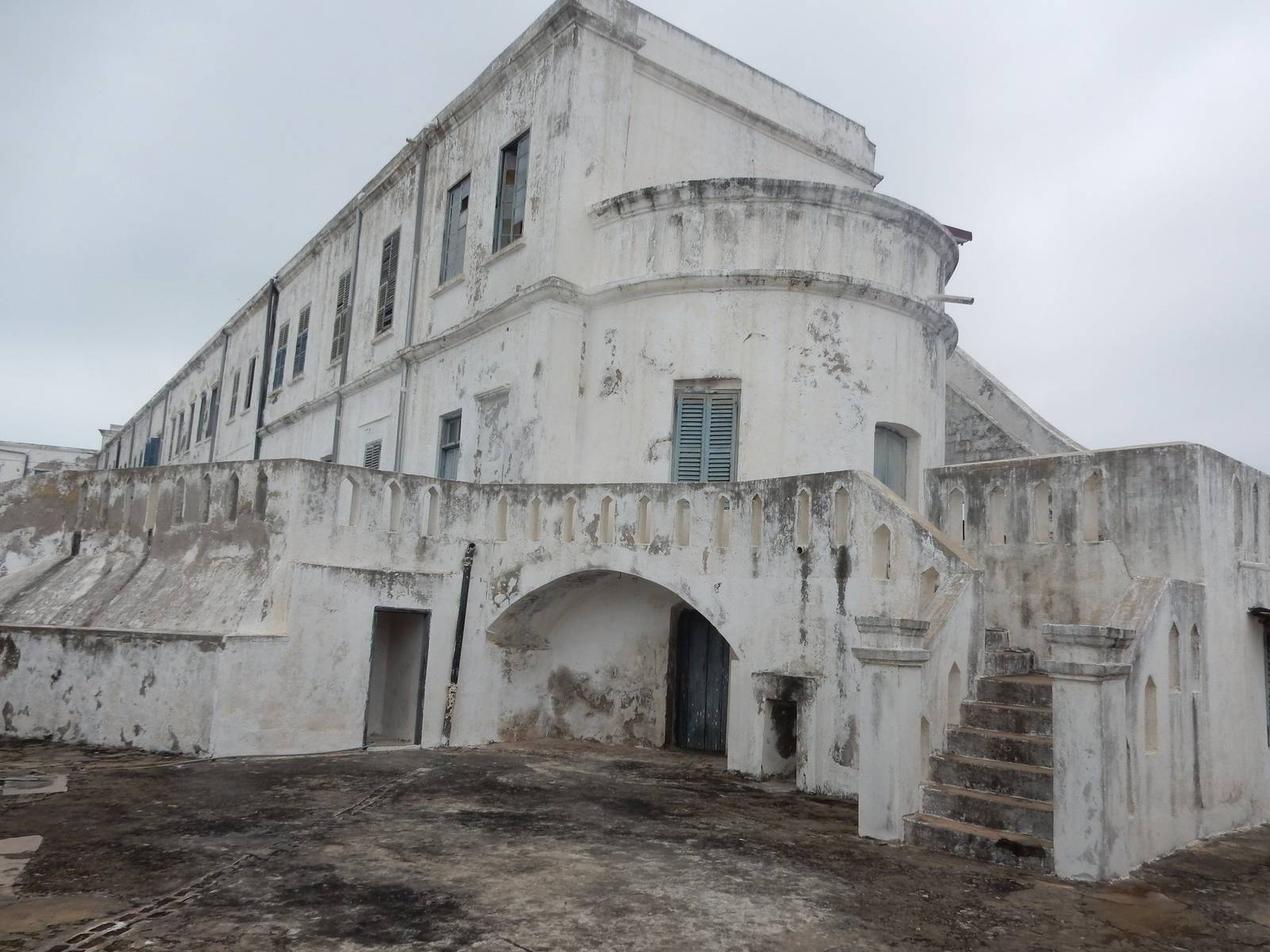
Cape Coast and Elmina castles
Both castles are UNESCO World Heritage sites. Guided tours lead through the dungeons and out through the Door of No Return. Give yourself time, go with a guide and leave the afternoon free. It stays with you.
Assin Manso
Inland from Cape Coast, Assin Manso was where captives took their last bath before the march to the coast. Today, returning visitors take a first bath of return in the same river.
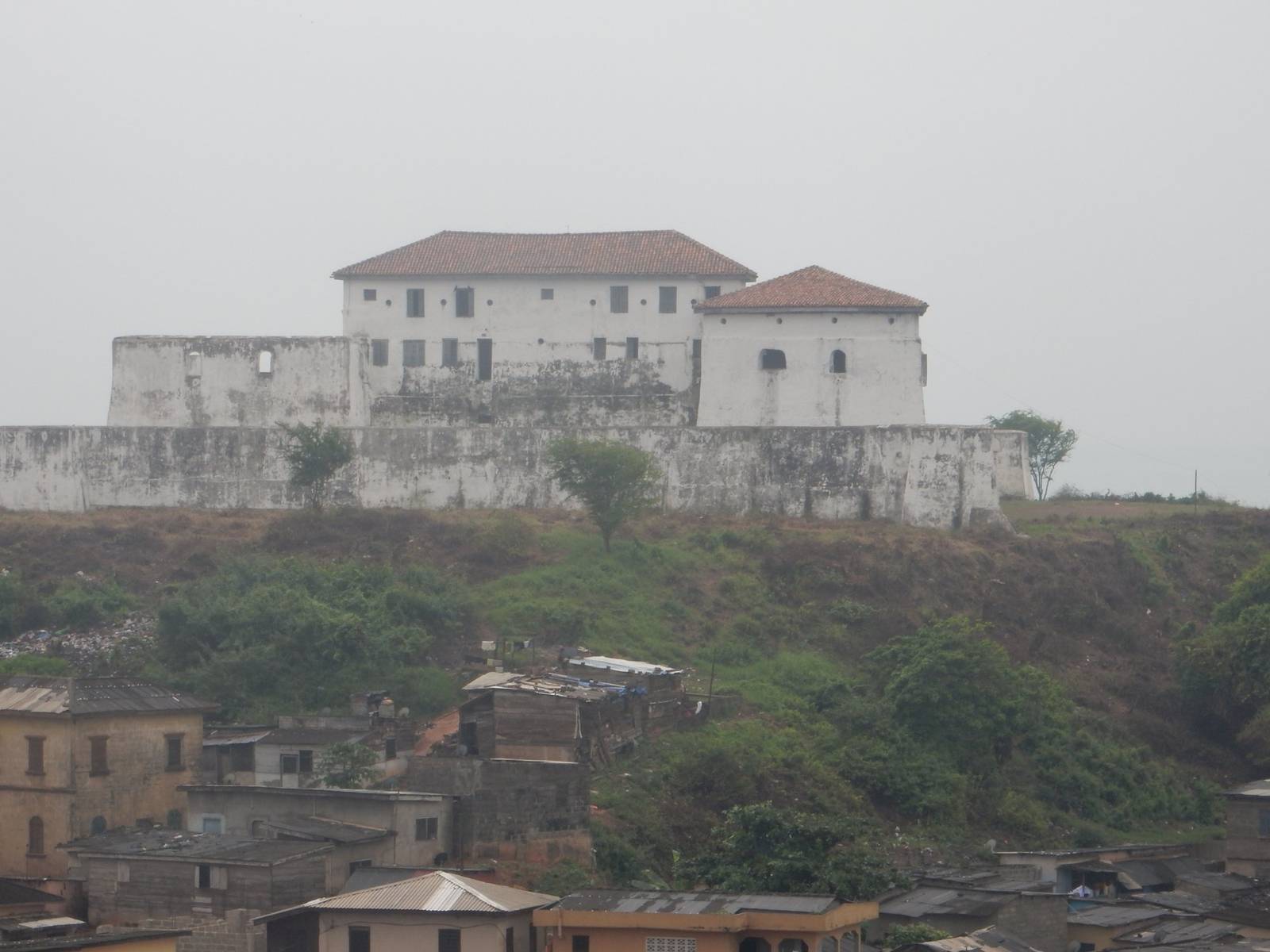
Elmina harbour
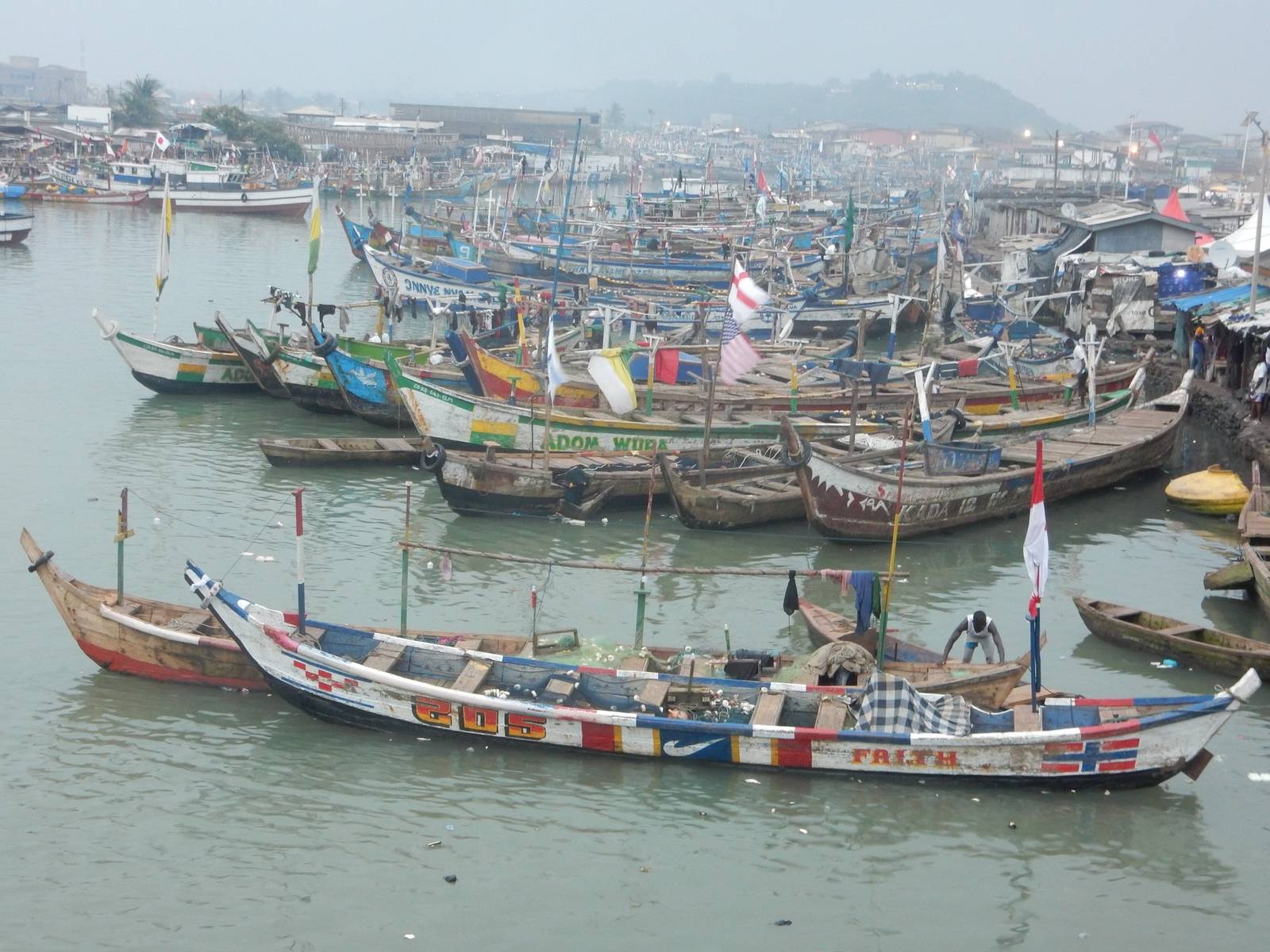
Outside the castle walls, hundreds of hand-painted fishing canoes crowd the harbour, each with its own flags and slogans. Go in the morning, when the boats come in and the market is busiest.
Kakum National Park
A short drive from Cape Coast, Kakum's canopy walkway hangs high in the rainforest. Go early for the birds and the cooler air.
Good to know
- Check current entry rules before you book. Visitors from the US need a visa, and a yellow fever vaccination certificate is required.
- Talk to your doctor about malaria prevention well before you travel.
- Carry cedis in cash for markets and small purchases.
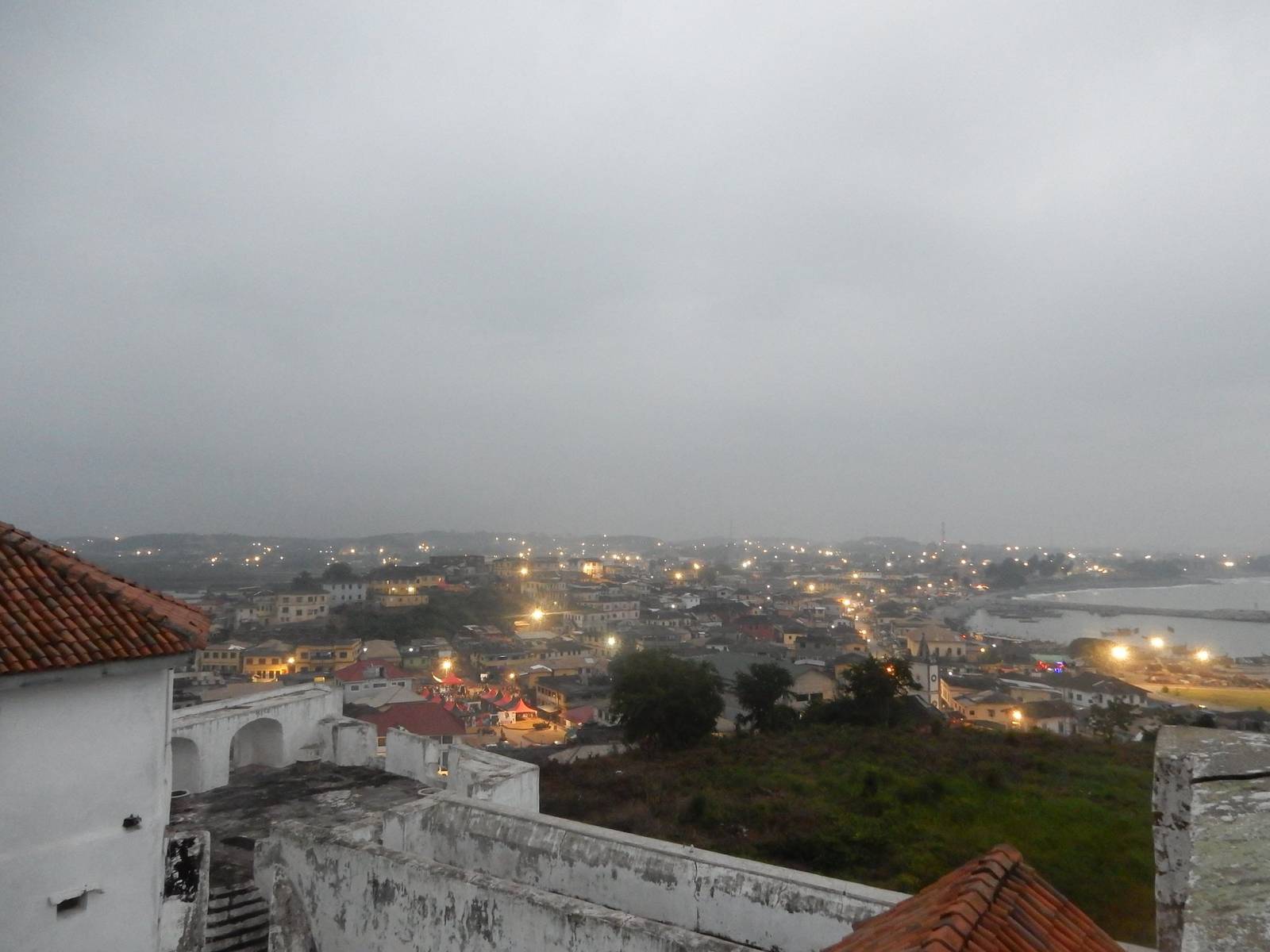
Photographs from our own trips.