Aruba: white beaches, sea spray and the wild north coast
One happy island, two very different coasts.
Aruba sits below the hurricane belt, the trade winds keep it breezy and the sun shines most of the year. The calm west coast is all white sand and turquoise water. The windward north and east are wild, rocky and empty.
When to go
Any time. Aruba is dry and sunny year-round and rarely sees hurricanes. Winter is peak season with peak prices. Late spring and early autumn are quieter and cheaper.
How long
Five to seven days. Stay on the west coast and spend at least one day exploring the other side of the island.
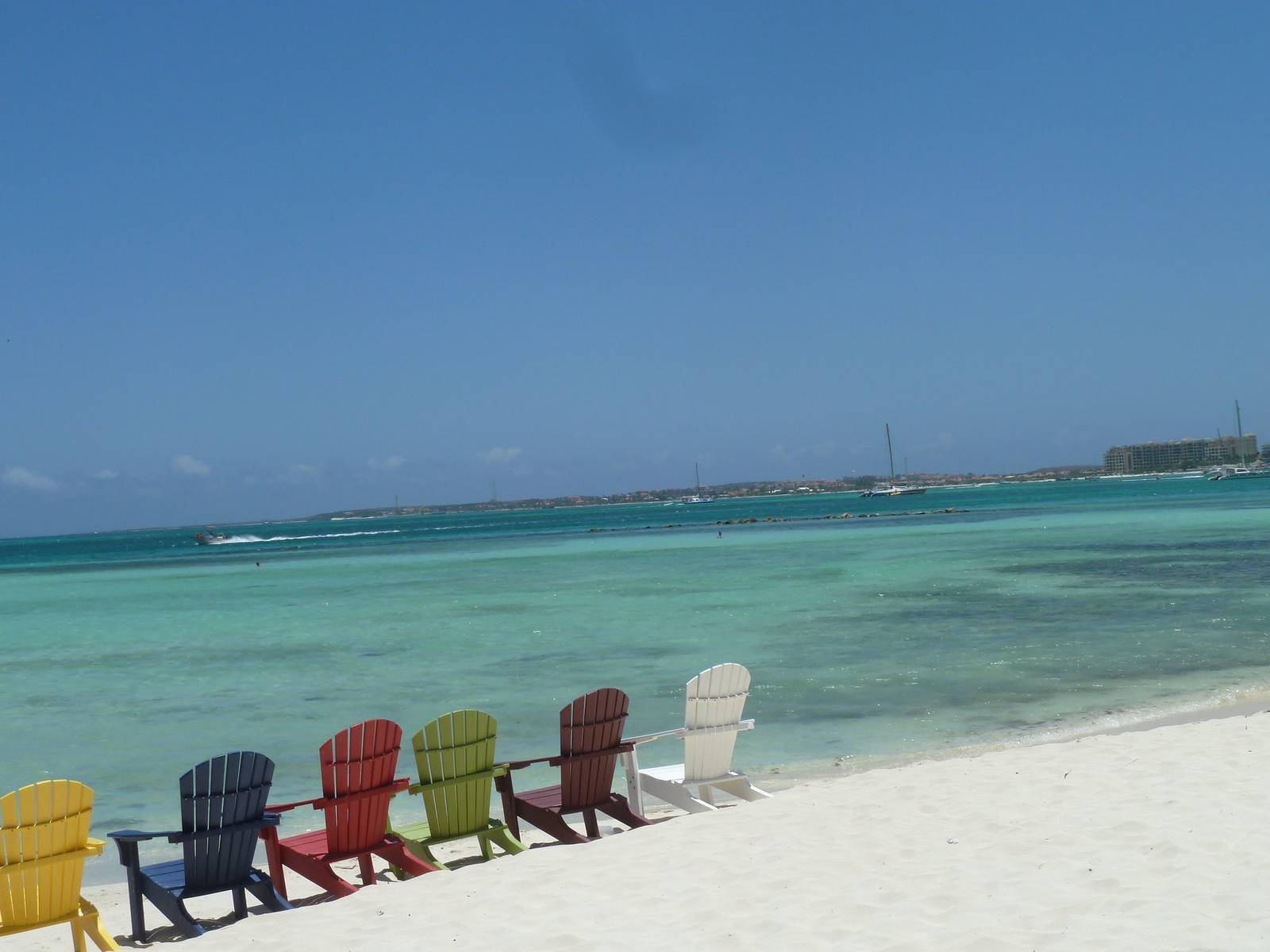
Eagle Beach and Palm Beach
Eagle Beach is wide, soft and uncrowded, with the island's famous fofoti trees. Palm Beach is livelier, lined with hotels, beach bars and water sports. Both have calm, clear water for swimming.
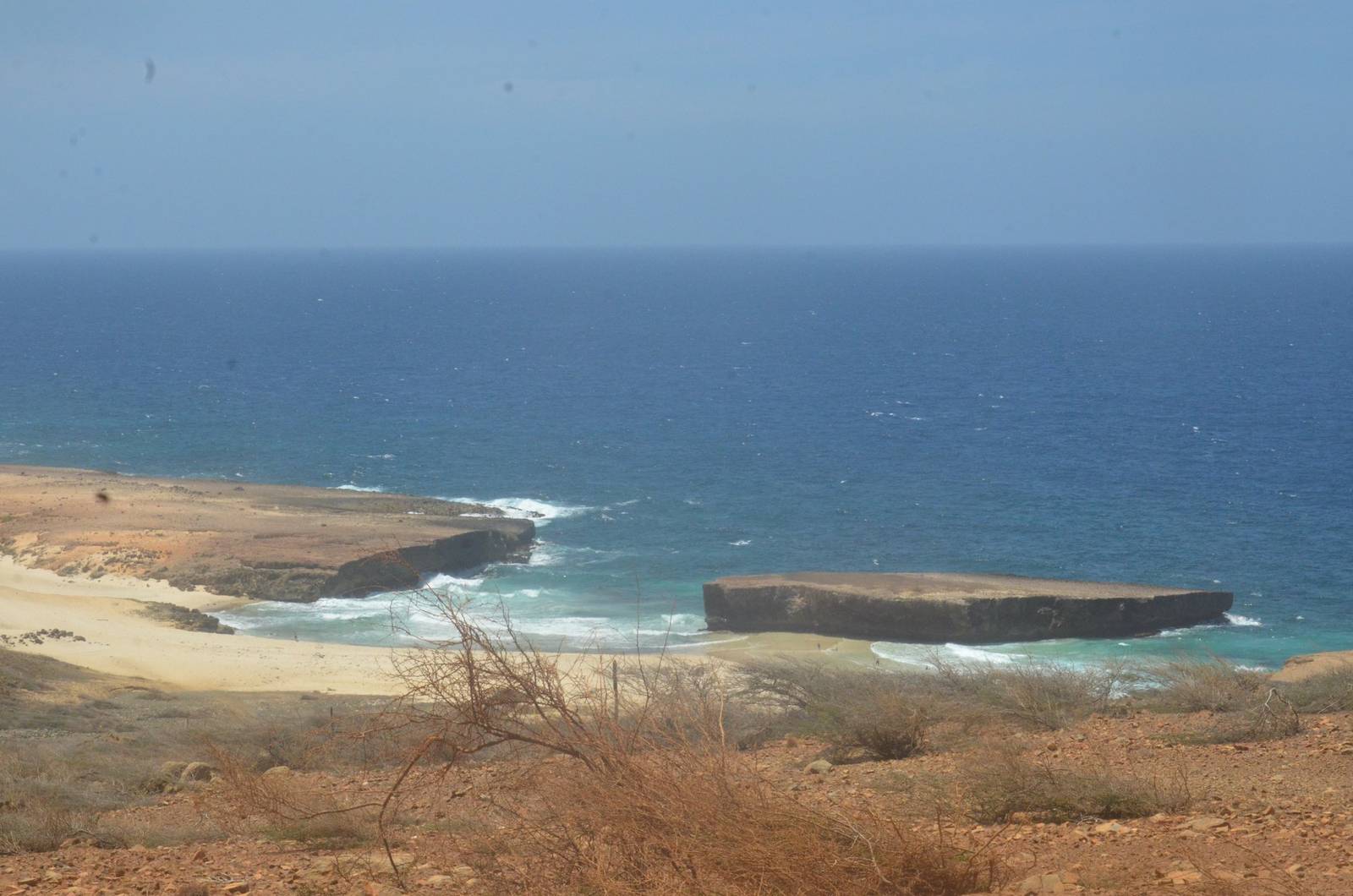
The north coast and Arikok
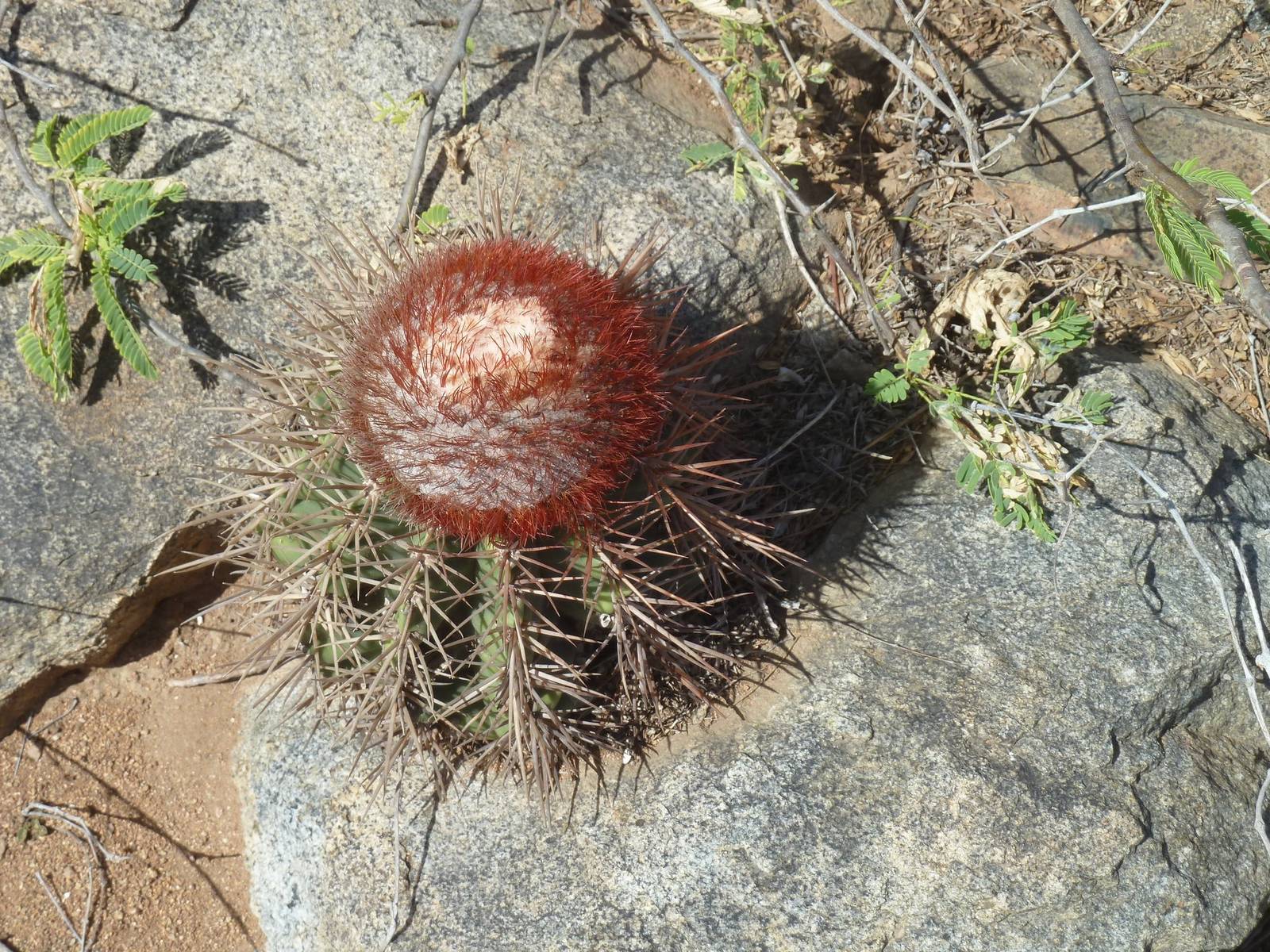
Rent a jeep or join a tour to the windward side: limestone cliffs, crashing surf, desert cactus and Arikok National Park, with its caves and the Conchi natural pool. Bring water and good shoes.
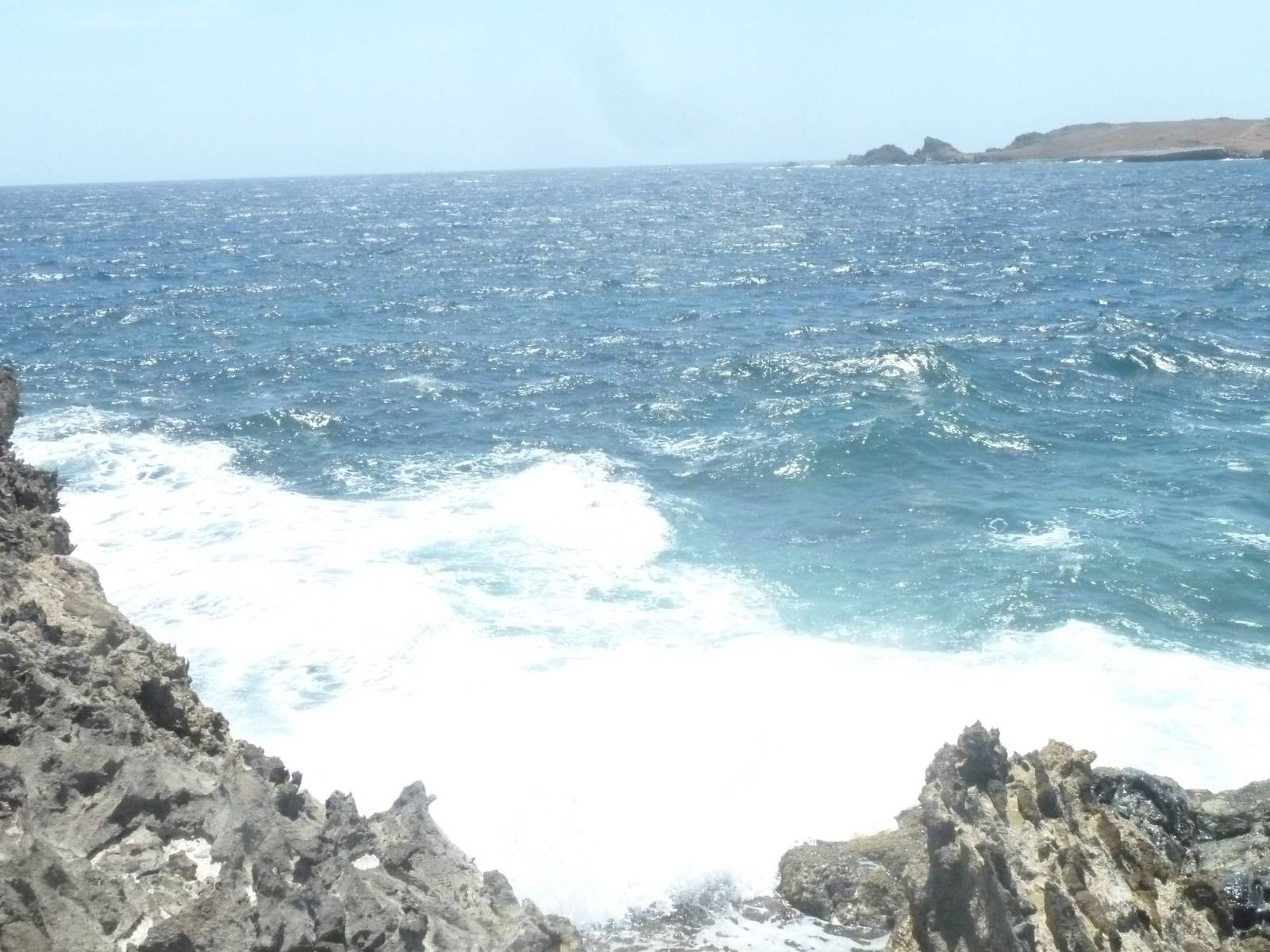
Sunset
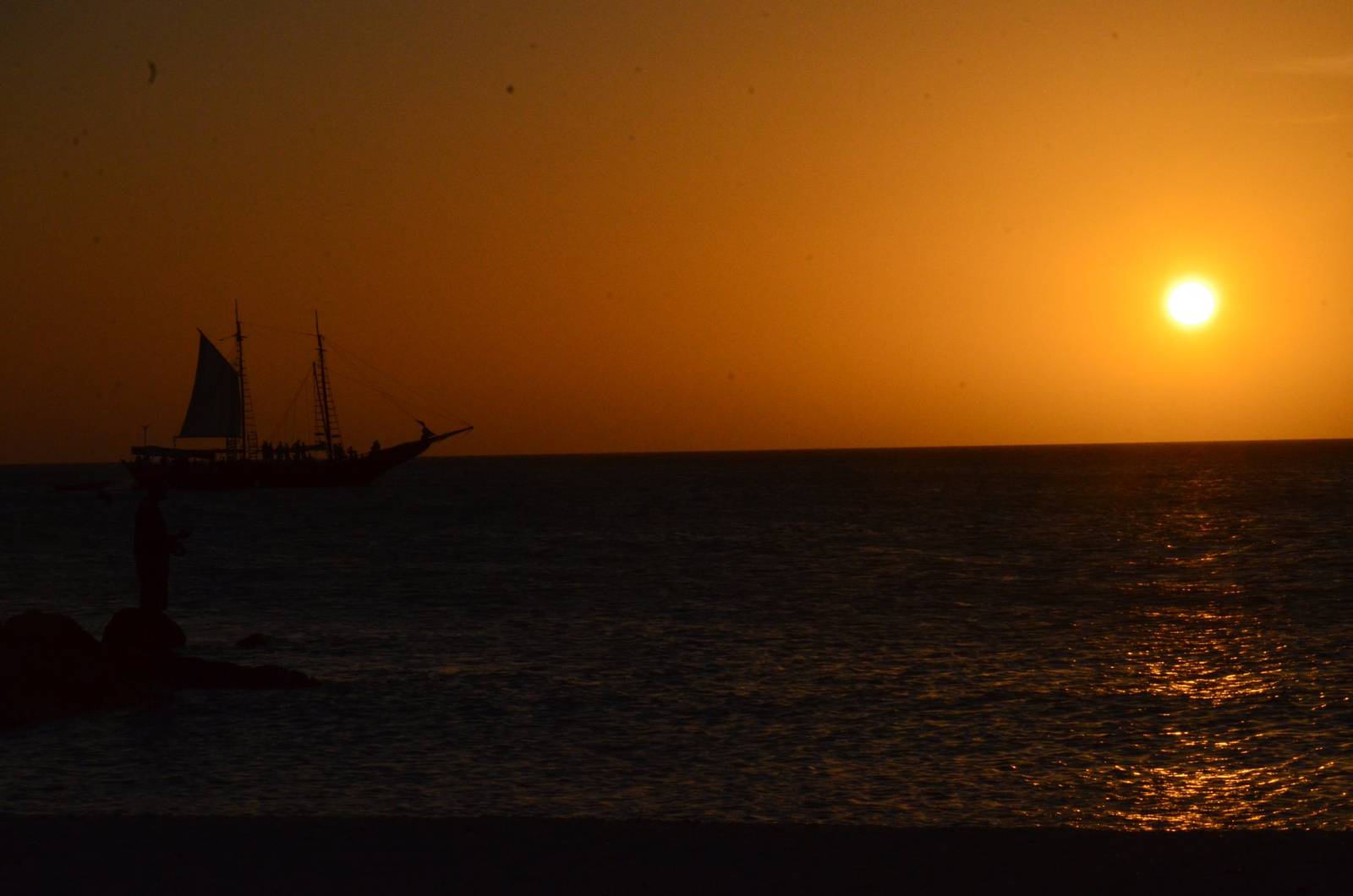
Every evening the west coast turns gold. Book a sunset sail, or simply find a spot on the sand. It never gets old.
Good to know
- US dollars are accepted almost everywhere alongside the Aruban florin.
- The breeze hides how strong the sun is. Reapply sunscreen often.
- Flying home to the US, you clear US customs in Aruba before you board.
Photographs from our own trips.